Anglesey Shot Blasting & Surface Preparation for Stronger Adhesion and Longer Coating Life
Anglesey Shot Blasting & Surface Preparation for Stronger Adhesion and Longer Coating Life
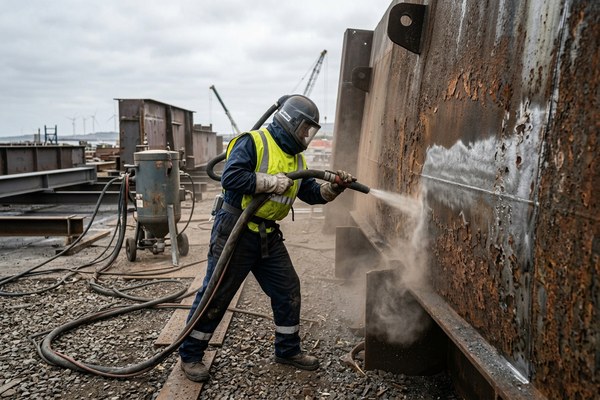
Shot Blasting & Surface Preparation is where most coating performance is won or lost. In Anglesey, where steelwork and exposed industrial assets often face salt air, moisture and hard service conditions, preparation is not a minor preliminary step. It is the foundation of the whole job. ACS describes this service as preparing surfaces correctly to ensure maximum coating adhesion, long-term performance and reduced risk of coating failure. That is exactly the right way to think about it. If the substrate is dirty, unstable or poorly profiled, even a premium coating system can fail early.
What surface preparation actually does
Surface preparation removes the things that stop a coating from bonding properly: rust, failed paint, salts, dirt, grease, mill scale and contamination. On the ACS homepage, the preparation methods specifically mentioned are shot blasting, pressure washing and mechanical cleaning. The right choice depends on the asset, the existing condition and the specification that follows.
Why Anglesey conditions make preparation more important
Coastal and marine exposure raise the stakes. On the homepage, ACS notes that marine, coastal, chemical and heavy industrial environments need specialist coatings. The same logic applies to preparation. If salt contamination or corrosion products remain on steel, the final paint system is far more likely to blister, undercut or fail ahead of schedule.
Why preparation decides coating performance
Buyers often compare paint brands or topcoat colours, but the bigger issue is usually cleanliness and profile. A well-prepared substrate gives the primer something stable to bond to. A badly prepared one can trap contamination underneath the coating and create an expensive cycle of early defects, repeat access costs and unscheduled repairs.
ACS also states that industrial coating systems can last 5 to 20+ years depending on environment, preparation and materials. Notice that preparation sits alongside materials in that sentence. It is not optional detail; it is one of the main lifespan drivers.
Comparing common preparation methods
Preparation method: Best for key planning notes. Shot blasting: Heavy rust, old coatings, and steel requiring a strong mechanical profile. Usually needs containment, abrasive management and detailed safety controls. Pressure washing: dirt, salts, loose debris and some contamination. Good support method before coating, but may not create enough profile on its own. Mechanical cleaning: Localised repair areas and smaller maintenance zones. Useful for spot repairs where full blasting is not practical. Ultra-high-pressure water jetting. Some large industrial cleaning/prep applications can be a strong alternative where abrasive blasting is not the preferred route
In practice, many successful projects use more than one method. For example, an asset might be washed first, mechanically prepared in awkward areas, then blasted where a higher cleanliness standard is needed.
Safety and compliance matter during blasting work
Surface preparation has real health and safety implications. UK HSE guidance on abrasive blasting explains that sand or other blasting substances containing 1% or more free silica are subject to prohibition when blasting articles, and it points employers toward silica-free or lower-risk substitutes such as steel grit, specular haematite, copper slag, nickel slag, crushed glass, garnet and olivine, subject to proper assessment. The same HSE guidance also notes that ultra-high-pressure water jetting may be used as an alternative method of surface cleaning in some cases. For a buyer in Anglesey, that matters because the contractor should not only deliver the finish you want; they should also be selecting appropriate abrasives, assessing dust and contamination risks, and planning the work safely.
What affects cost and timeline
ACS does not publish fixed rates, which is sensible because preparation is highly variable. The cost and programme will usually move according to:
the amount of corrosion or failed coating present
the access method required
the cleanliness standard needed before painting
containment, waste handling and environmental controls
whether the site stays live during the works
Small remedial areas can sometimes be prepared and handed over quickly, while larger steel packages may need phased working over several days or weeks. If blasting is part of a broader industrial painting project, it is usually most efficient when prep, coating and access are planned together rather than bought as separate disconnected tasks.
A better briefing for buyers
If you are requesting quotes for Shot Blasting & Surface Preparation in Anglesey, give the contractor clear information on the asset type, condition, access limitations, operating hours and whether coating will follow immediately. That helps avoid under-scoped pricing and weak specifications.
Questions worth answering before work starts
Is the asset heavily corroded or just locally failing?
Does the site need low-dust or low-disruption methods?
Will coating start straight after preparation?
Is the work external, marine-exposed or inside a live process area?
The better these answers are defined, the better the programme and outcome tend to be.
Frequently Asked Questions
Why is surface preparation so important before painting?
Because preparation removes rust, contamination and unstable coatings, and it gives the new system a sound surface to bond to. Poor preparation is one of the fastest ways to shorten coating life.
What methods does ACS mention on the homepage?
ACS mentions shot blasting, pressure washing and mechanical cleaning as preparation methods used before industrial painting.
Can blasting work be done safely on industrial sites?
Yes, but it requires correct planning, risk assessment, suitable abrasives, PPE, containment and site controls. HSE guidance makes clear that abrasive choice and dust control matter.
Does every surface need full shot blasting?
No. Some areas may be better suited to pressure washing or mechanical cleaning, especially for localised repairs or where access or containment makes blasting less practical.
Final thoughts: get the preparation right and the coating has a fair chance
In Anglesey, preparation quality has a direct impact on coating life, maintenance frequency and total ownership cost. The visible finish may get attention, but the invisible preparation standard underneath usually decides whether the job performs as expected.
If you want a quote for Shot Blasting & Surface Preparation in Anglesey or North Wales, visit https://industrialpaintinganglesey.co.uk/ and speak with ACS about the substrate, access and environment before finalising the coating plan.
