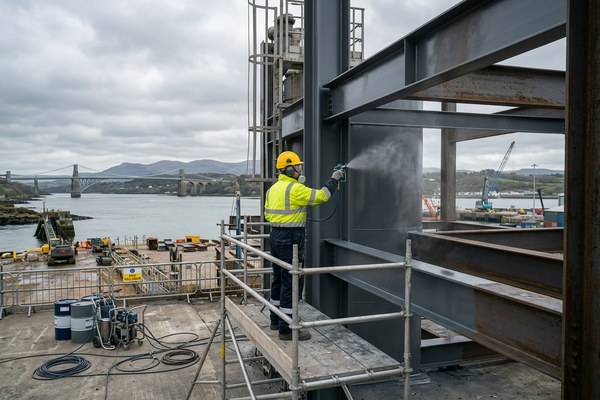
Anglesey Industrial Painting & Protective Coatings for Longer-Lasting Steel and Industrial Assets
Anglesey Industrial Painting & Protective Coatings for Longer-Lasting Steel and Industrial Assets
Industrial sites around Anglesey do not get gentle conditions. Steelwork, plant, external structures and marine-facing assets are exposed to salt, moisture, abrasion, and heavy operational use. That is why Industrial Painting & Protective Coatings is not just about appearance. It is about extending asset life, slowing corrosion, reducing reactive repairs, and protecting uptime. Alternative Cleaning Solutions (ACS) positions this service around factories, marine infrastructure and steel structures across Anglesey and North Wales, with a focus on durable coating systems, careful surface preparation and minimal disruption. On the ACS homepage, the company also highlights 26+ years of experience, live-site working and industrial compliance, which are all strong signals for buyers who need a contractor that understands real operating environments.
What Industrial Painting & Protective Coatings includes
On the homepage, ACS explains that industrial painting includes surface preparation, shot blasting, protective coatings and finishing systems. In practical terms, that means a project usually starts with assessing the existing substrate, removing contamination or failing coatings, choosing a suitable paint system, then applying the correct build and finish for the environment.
Where this service is most useful in Anglesey
In Anglesey, this type of work is especially relevant for exposed steel, plant rooms, industrial units, external pipework, marine infrastructure, access structures, concrete-and-steel assets, and buildings close to the coast. The homepage specifically notes that marine, coastal, chemical and heavy industrial environments need specialist coating systems designed to withstand corrosion and harsh conditions. That matters locally because coastal exposure can shorten repaint cycles when the wrong system is used or when preparation is rushed.
Why protective coatings matter more in coastal and industrial settings
A coating system is only as strong as its specification and preparation. ACS states that professionally applied coating systems can last between 5 and 20+ years depending on the environment, preparation and materials used. It also notes that harsh or coastal environments may need more robust systems. For buyers in Anglesey, that is a key planning point. A low-spec coating may look acceptable on day one, but it can fail early if the surface profile, dry film thickness, curing conditions and environmental exposure were not properly considered.
Another useful benchmark comes from commercial painting guidance published by Halls Decorators, which notes that premium coatings can cost around 20% to 50% more than standard options, but can reduce repaint frequency and long-term maintenance costs. That does not mean every area needs the most expensive system. It means the paint system should match the risk, access difficulty and expected service life of the asset. ## What affects cost, programme and coating life
ACS is clear that price depends on the size of the project, surface condition, access requirements and coating system. In real projects, those four variables drive almost everything.
Project factorWhy it mattersTypical effect on cost or timelineSurface conditionHeavy corrosion, contamination or failing paint increases prep timeMore labour, more consumables, longer programmeAccessMEWPs, scaffolding, rope access or confined areas add complexityHigher setup cost and tighter sequencingEnvironmentCoastal, chemical or wet environments need tougher systemsHigher-spec primers and topcoats, more QAOperational constraintsLive sites need planning around shifts, safety and shutdown windowsPhased working and more coordination
A useful rule for asset owners is this: the cheaper the preparation, the more likely you are to pay twice. If steel is not prepared properly, the paint system may not bond well enough to deliver the lifespan expected. That is why ACS repeatedly ties surface preparation to long-term durability on the homepage.
A practical industrial painting workflow
1) Survey and specification
The first stage should confirm the substrate, level of corrosion, previous coating condition, access needs and environmental exposure. For Anglesey sites, the survey should also account for coastal conditions, wind exposure and proximity to marine or industrial contaminants.
2) Preparation and coating application
Preparation may involve shot blasting, pressure washing or mechanical cleaning. Once surfaces are clean and suitably profiled, the contractor applies the specified system in sequence. That may include primer, intermediate build coats and a finishing coat designed for durability, weathering or chemical resistance.
3) Inspection, curing and handover
Industrial painting should finish with checks on coverage, cleanliness, coating integrity and any snagging items. Cure time matters as much as application. On busy sites, reopening an area too early can undermine the final result.
Why local experience matters in Anglesey
ACS describes its work as being delivered across Anglesey and North Wales, including projects involving factories, marine infrastructure and steel structures. That local relevance matters because industrial coating work is rarely just a paint job. It is access planning, safety control, weather awareness, sequencing and asset protection. If a contractor understands how coastal exposure, operational downtime and access limits interact, the specification is usually better and the execution is smoother.
Frequently Asked Questions
How long does industrial painting last?
ACS states that a professionally applied coating system can last from 5 to 20+ years depending on the environment, preparation and materials used. Coastal and harsher industrial settings usually sit toward the more demanding end of that range.
What affects the cost of industrial painting in Anglesey?
The main cost drivers are project size, surface condition, access requirements and the coating system chosen. Live-site constraints, high-level work and marine exposure can also increase programme complexity.
Can industrial painting be done on a live site?
Yes. ACS says it can work in operational environments with careful planning to minimise disruption and maintain safety compliance.
What surfaces can be coated?
ACS positions industrial painting around steel, concrete and infrastructure, with supporting preparation methods such as blasting, pressure washing and mechanical cleaning.
Final thoughts: protect the asset before repairs become urgent
The best time to plan Industrial Painting & Protective Coatings in Anglesey is before corrosion spreads, coatings peel or access becomes more difficult. Early maintenance is usually less disruptive and more cost-effective than major remedial work after visible deterioration has accelerated.
If you want a project-specific assessment for steel, plant or infrastructure in Anglesey or North Wales, visit https://industrialpaintinganglesey.co.uk/ and request a tailored quote from ACS.
